When people in Ghana talk about "buying a car from America", they usually mean buying at a US vehicle auction. Understanding how those auctions work is the first step to buying well.
The three names you will hear most
Copart and IAA (Insurance Auto Auctions)
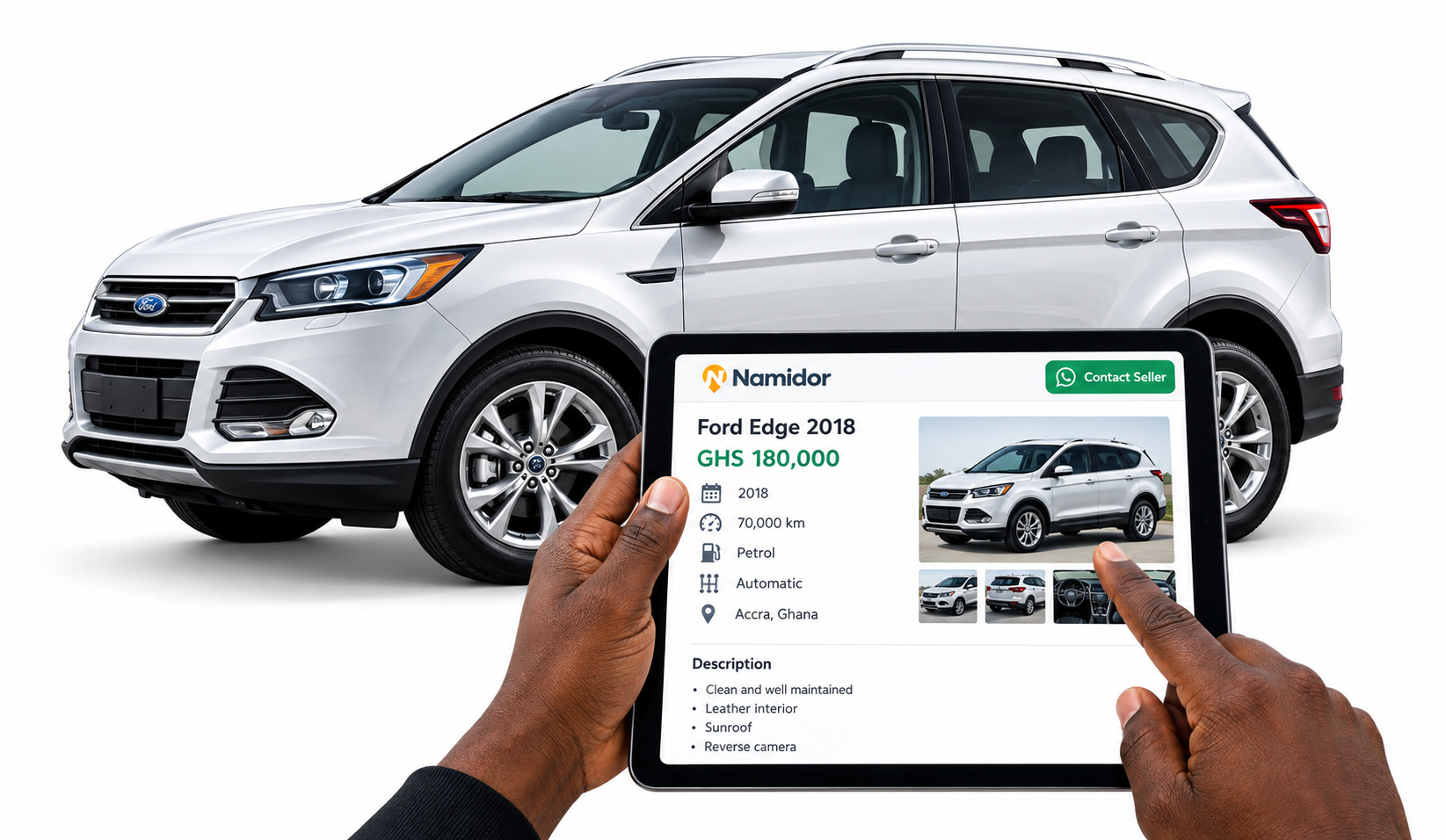
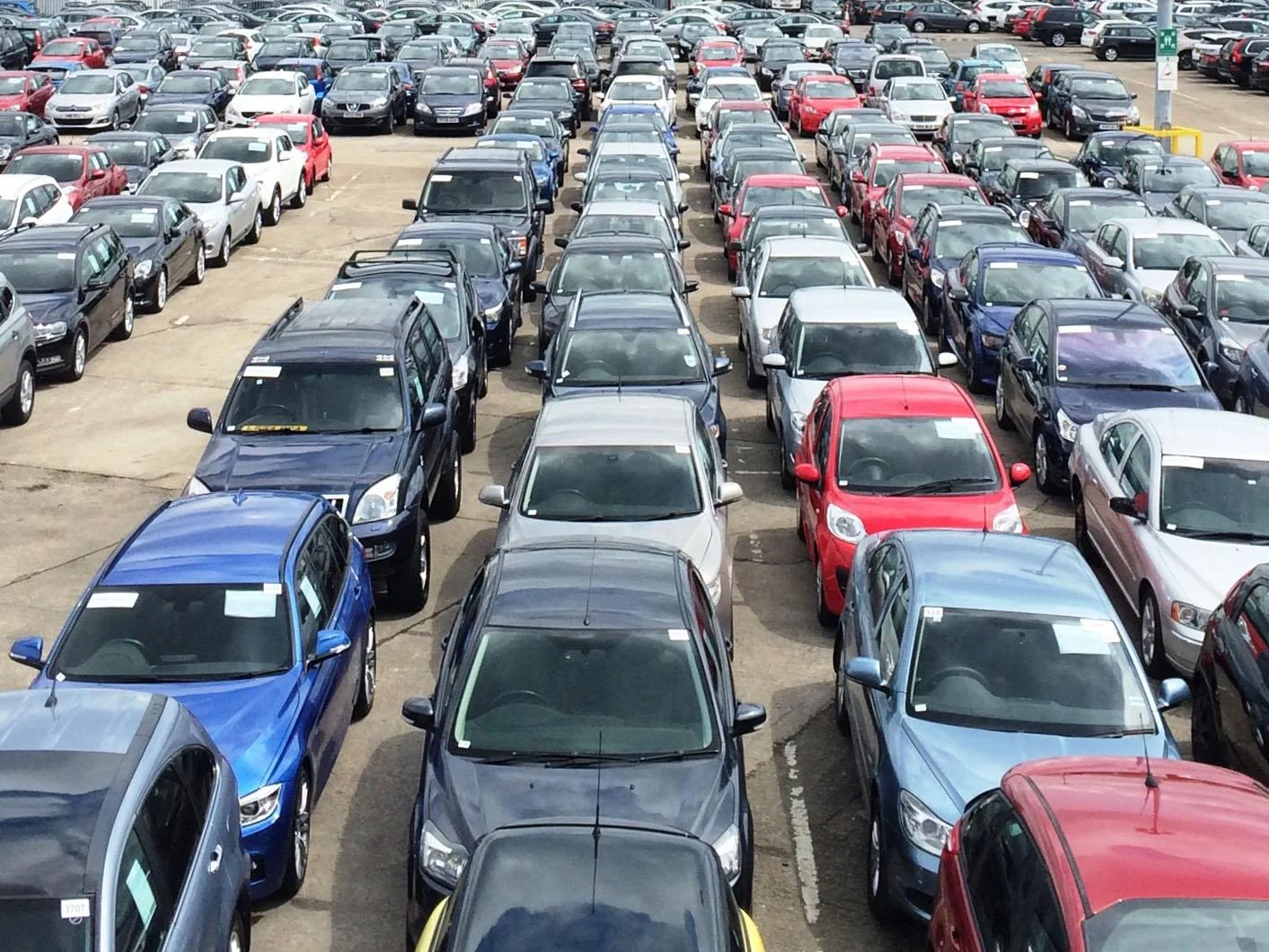
Copart and IAA are online auction networks with yards across the United States. A large share of their inventory comes from insurance companies — vehicles written off after accidents, floods, hail or theft recovery — alongside rental, fleet, dealer and bank-repossessed vehicles, many with clean titles. Each lot has a listing with photos, a stated "primary damage", the title type, odometer reading and a VIN.
Manheim
Manheim is a wholesale, dealer-to-dealer auction. Inventory is mostly off-lease, fleet and trade-in vehicles, often in better condition, and many come with condition reports. Bidding is restricted to licensed dealers, so overseas buyers access it through a licensed partner.
What a listing tells you
- VIN — the vehicle's 17-character identity. Everything else should match it.
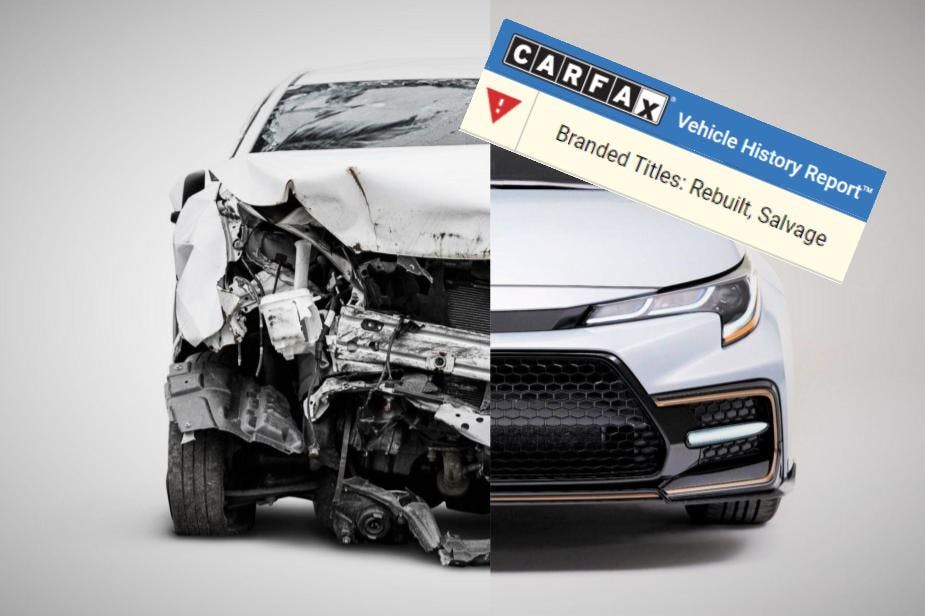
- Title type — clean, salvage, rebuilt and others. See our guide to US title types.
- Primary and secondary damage — the auction's description, not a full inspection.
- Odometer — sometimes marked "actual", "not actual" or "exempt".
- Run and drive / engine starts — a basic check on sale day, not a guarantee.
What a listing does not tell you
Photos are chosen to sell. Flood damage, frame damage and electrical faults can be hard to see. That is why we pair every listing with a vehicle history report and, where available, an independent inspection — and why, under Ghana's GS 4510 rules, any sign of flood, fire or structural damage rules a vehicle out.
Fees on top of the hammer price
The winning bid is not what you pay. Auctions add buyer fees that scale with the sale price and payment method, plus gate, environmental or online-bidding fees. Storage fees start if the vehicle is not collected quickly. At RNJ these appear as a separate line — "Auction fees" — on your Purchase Agreement, so you see them before you pay.
Bidding within your limit
Auction bidding moves fast. Before we bid, you set a maximum bid and a maximum vehicle price. Our system will not let us record a purchase above them. If bidding goes higher, we stop — or ask you first, and your answer is recorded.

General information only — not legal, tax or customs advice. Rules and rates change; check with the relevant authority before relying on any figure.